
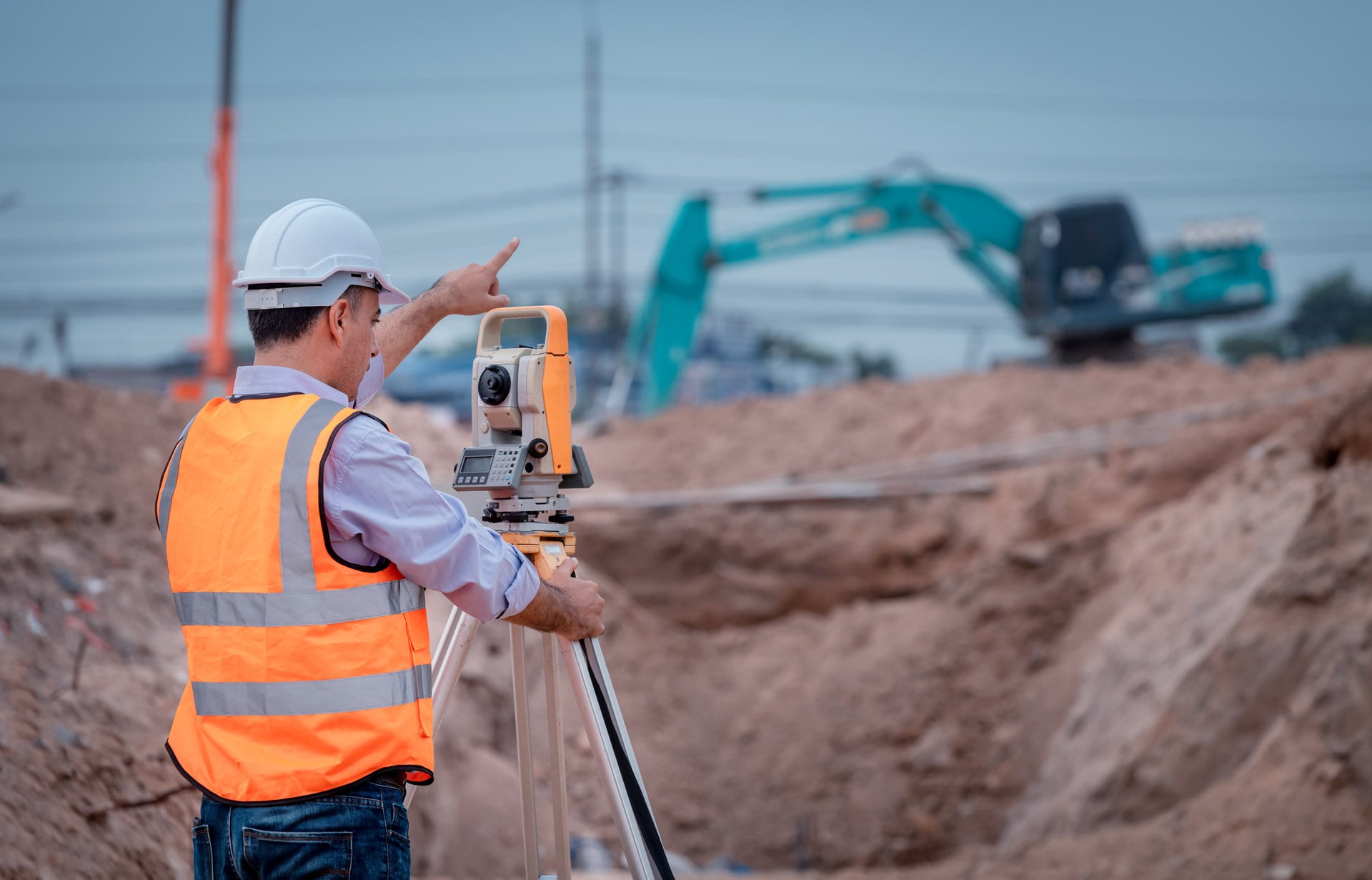
Emerging trends and the future outlook for LiDAR (Light Detection and Ranging) scanners are driven by advancements in technology, expanding applications, and growing market demands. Here are some key trends and future outlooks:
Emerging Trends
- Solid-State LiDAR:
- Solid-state LiDAR, which has no moving parts, offers greater reliability and lower costs compared to traditional mechanical LiDAR. Companies are focusing on developing and commercializing solid-state LiDAR systems.
- Miniaturization:
- Efforts to reduce the size and weight of LiDAR sensors are ongoing. Smaller, lighter LiDAR systems can be more easily integrated into various platforms, such as drones, autonomous vehicles, and mobile devices.
- Cost Reduction:
- The industry is working on reducing the cost of LiDAR sensors, making them more accessible for mass-market applications like autonomous vehicles and smart city infrastructure.
- Improved Resolution and Range:
- Advances in technology are leading to LiDAR systems with higher resolution and longer range, enabling more detailed and accurate mapping and detection capabilities.
- Integration with Other Sensors:
- LiDAR is increasingly being integrated with other sensors such as cameras, radar, and GPS to provide more comprehensive data and improve the robustness of autonomous systems.
- AI and Machine Learning:
- Artificial intelligence and machine learning algorithms are being used to process and analyze LiDAR data more efficiently, enhancing object detection, classification, and decision-making processes in real-time.
- 360-Degree Scanning:
- LiDAR systems capable of 360-degree scanning are becoming more prevalent, providing complete environmental awareness for applications like autonomous vehicles and security systems.
Future Outlook
- Autonomous Vehicles:
- LiDAR is expected to play a critical role in the development of fully autonomous vehicles. The demand for reliable and cost-effective LiDAR systems is projected to grow significantly as the automotive industry advances toward higher levels of automation.
- Smart Cities:
- LiDAR technology will be integral to smart city initiatives, including traffic management, infrastructure monitoring, and urban planning. The ability to create detailed 3D maps and monitor environments in real-time will enhance the efficiency and safety of urban areas.
- Agriculture:
- In precision agriculture, LiDAR can be used for tasks such as crop monitoring, terrain mapping, and automated farming equipment. This application is expected to grow as farmers seek to increase productivity and sustainability.
- Robotics and Industrial Automation:
- LiDAR is crucial for navigation and obstacle detection in robotics and industrial automation. As industries increasingly adopt automation, the demand for advanced LiDAR systems will rise.
- Environmental Monitoring:
- LiDAR will continue to be a valuable tool for environmental monitoring, including forest management, coastal erosion studies, and climate change research. Its ability to provide accurate topographic data is essential for these applications.
- Consumer Electronics:
- The integration of LiDAR into consumer electronics, such as smartphones and AR/VR devices, is expected to expand. LiDAR can enhance augmented reality experiences and improve functionalities like facial recognition and spatial awareness.
- Healthcare:
- Emerging applications in healthcare, such as patient monitoring and medical imaging, may benefit from LiDAR technology. Its precise measurement capabilities can be leveraged for various medical applications.
Overall, the future of LiDAR technology is promising, with ongoing innovations expected to lower costs, improve performance, and expand the range of applications across various industries.